
UK insurers paid out £472 million across more than 500,000 travel insurance claims in 2024, according to the Association of British Insurers (ABI). The average emergency medical claim abroad was £1,528 -and in extreme cases, a single claim can exceed £1 million.
Travel insurance is one of the most straightforward ways to protect yourself financially when something goes wrong on holiday. But with dozens of providers and policy types, knowing what to compare -and what actually matters -isn't always obvious.
This guide explains exactly what travel insurance covers, how much you should expect to pay, and what to look for when comparing policies so you get the right cover, not just the cheapest price.
Compare travel insurance quotes now →
What Does Travel Insurance Cover?
Most standard UK travel insurance policies cover the same core risks, but the limits and exclusions vary significantly between providers. Here's what you can typically expect:
The most important section of any policy is the medical cover -this is what protects you against the costs that can genuinely ruin your finances. A hospitalisation in the United States can cost more than £10,000 per day. Emergency repatriation to the UK from Europe alone can run to over £20,000.
Always check the medical cover limit before anything else. A minimum of £2 million is recommended for European travel. For worldwide cover including the USA, look for at least £5 million.
Types of Travel Insurance -Which Do You Need?
Single Trip Travel Insurance
Cover for one specific trip, from departure to return. This is the most common type and works well if you travel once or twice a year. The policy starts from the date you buy it (covering cancellation) and ends when you return home.
Best for: occasional travellers, one-off holidays, UK residents taking a single overseas trip.
Annual Multi-Trip Travel Insurance
One policy that covers all your trips within a 12-month period. Typically limits individual trip length to 31 days, though some policies allow extensions. If you travel more than twice a year, annual cover is almost always cheaper than buying separate single-trip policies each time.
Best for: frequent travellers, families with multiple holidays planned, business travellers.

Backpacker and Long-Stay Cover
Designed for extended trips -typically over 60 days. Covers multiple destinations and countries in a single policy. Standard annual policies won't cover trips this long.
Best for: gap year travellers, people relocating temporarily, extended working holidays.
Cruise Insurance
Standard travel policies often exclude cruise-specific risks. Cruise insurance adds cover for cabin confinement (if you're too ill to leave your cabin), missed port departures, and itinerary changes caused by weather. If you're cruising, a standard policy is not sufficient.
Best for: anyone booking a cruise holiday, river or ocean.
How Much Does Travel Insurance Cost in the UK?
Prices vary based on your age, destination, trip duration, level of cover and health. As a rough guide for a healthy adult under 50 with no pre-existing conditions:
These are indicative ranges. The quickest way to see exactly what you'll pay is to compare quotes based on your specific trip details.
Get a travel insurance quote →
What Affects the Price of Your Travel Insurance?
Understanding what drives the cost helps you make smarter choices when comparing policies:
Age is the biggest factor. According to ABI data, the average claim value for travellers aged 71-75 is £1,830 -more than three times the average for under-40s. Premiums reflect this risk directly. Older travellers should always compare specialist providers rather than accepting the first quote.
Destination significantly affects price. The USA, Canada and Caribbean are the most expensive destinations due to the high cost of medical treatment. Travelling against Foreign, Commonwealth and Development Office (FCDO) advice will usually invalidate your policy entirely.
Pre-existing medical conditions can increase premiums or require specialist cover. Always declare all conditions fully -failing to disclose a condition is the most common reason for a claim being rejected.
Trip duration affects cost proportionally. A 30-day trip costs more than a 7-day trip with the same insurer.
Level of cover chosen -higher medical limits, lower excess amounts and additional add-ons (gadget cover, winter sports, business equipment) all increase the premium.
Excess amount -choosing a higher voluntary excess reduces your premium but increases your out-of-pocket cost if you claim. A £100 excess on a £150 baggage claim means you'd only receive £50.
Travel Insurance With Pre-Existing Medical Conditions
If you have a pre-existing medical condition -whether heart disease, diabetes, cancer, asthma or anything else -you must declare it when taking out a policy. This is not optional.
Travelling without declaring a condition doesn't mean your policy is cheaper. It means your policy is invalid for any claim connected to that condition. The ABI consistently flags non-disclosure as the most common avoidable reason for claim rejection.
Many mainstream insurers will cover common conditions as standard or with a small premium uplift. For more complex conditions, specialist providers like Staysure, AllClear and Avanti offer dedicated cover with no upper age limit and medical screening rather than blanket exclusions.
The key rule: answer every question fully and honestly when getting a quote. If you're unsure whether something needs declaring, declare it.
Compare travel insurance for pre-existing conditions →
Do I Still Need Travel Insurance If I Have a GHIC Card?
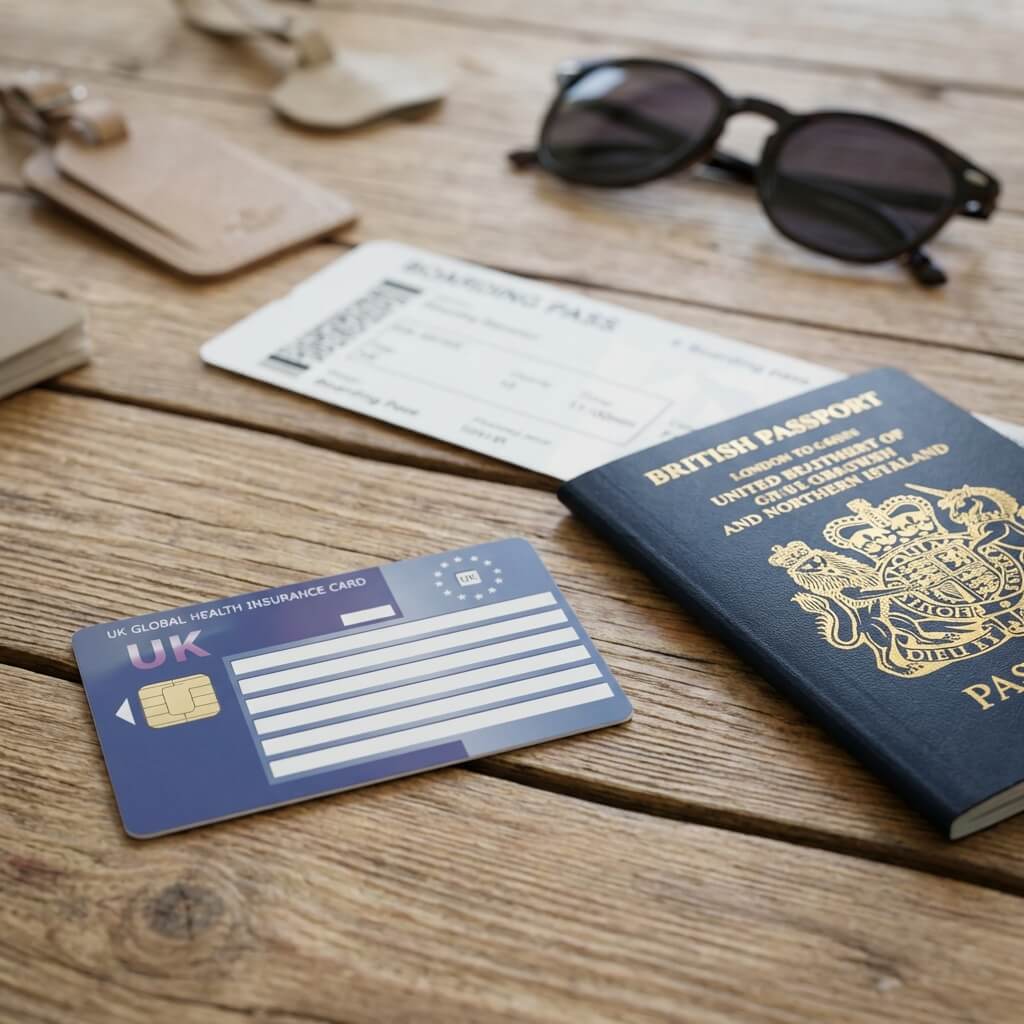
Yes -and this is one of the most misunderstood aspects of travelling from the UK post-Brexit.
Your Global Health Insurance Card (GHIC) -which replaced the EHIC -entitles you to access state healthcare in EU countries at the same rate as local residents. In countries where healthcare is free for locals, you get free treatment. That is genuinely useful.
But a GHIC does not cover:
- Medical repatriation back to the UK (which can cost £20,000+ from Europe alone)
- Trip cancellation or curtailment
- Lost or stolen baggage
- Flight delays or missed departures
- Personal liability
- Private medical treatment (you'll need state hospitals only)
- Any medical costs outside the EU
Think of the GHIC as a useful supplement to travel insurance, not a replacement for it. Always travel with both.
From late 2026, UK passport holders travelling to Schengen area countries will also need to register under the new European Travel Information and Authorisation System (ETIAS) before departure -an additional consideration for frequent European travellers.
How to Compare Travel Insurance -What Actually Matters
When you compare policies, don't just sort by price. Here's what to actually look at:
Medical cover limit -minimum £2 million for Europe, £5 million for worldwide. This is the most important number on the policy.
Cancellation cover -check the amount and what qualifies as a valid reason. Illness, bereavement and redundancy are standard. FCDO travel advice changes are covered by some policies but not all.
Baggage cover limit -standard limits range from £1,000 to £3,000 for the total, with individual item limits (often £250-£500 per item). If you travel with expensive equipment, check the single-item limit carefully.
Excess amount -the amount you pay on each claim. A £100 excess on a small claim can make claiming pointless. Look for the excess per claim, not just the headline figure.
24/7 emergency assistance -check whether the policy includes a 24-hour emergency helpline and what it covers. In a medical emergency abroad, this is the number you'll call first.
Defaqto star rating -an independent quality rating for insurance policies. Five stars means comprehensive cover. It's a useful shortcut when comparing policies at a similar price.
Exclusions -always read what the policy doesn't cover. Common exclusions include: travel to FCDO red list countries, extreme sports without an add-on, claims arising from alcohol or drugs, and incidents during unlicensed activities.
Single Trip vs Annual Travel Insurance -Which Is Cheaper?
The break-even point is typically two trips per year. If you take one overseas trip annually, single-trip cover is almost always cheaper. If you take two or more trips, annual multi-trip cover usually works out better value -even if the upfront cost looks higher.
A practical example: a single-trip European policy for a 35-year-old might cost £12. An annual multi-trip European policy from the same insurer might cost £35. Two single trips would cost £24. Three trips would cost £36 -making the annual policy cheaper from trip three onwards.
Always factor in the per-trip limit on annual policies. Most cap individual trips at 31 days, which works for most holidaymakers. If any single trip will exceed that, check the extension options before buying.
Travel Insurance for Over 65s and Older Travellers
Older travellers often find that standard comparison sites return limited options or high premiums. This is because medical claims increase significantly with age -the average claim for a 71-75 year old is £1,830 compared to £518 for a 36-40 year old, according to ABI data.
If you're over 65, the most important things to look for are:
- No upper age limit on the policy (some providers cap at 65 or 70)
- Full cover for pre-existing conditions with medical screening rather than blanket exclusions
- Adequate medical repatriation cover
- Clear emergency assistance contact details
Specialist providers including Staysure, Saga and AllClear focus specifically on older travellers and often provide better value than mainstream comparison results for this age group.
Compare travel insurance for over 65s →
Frequently Asked Questions
Do I need travel insurance for UK holidays?
You don't need travel insurance for UK holidays in the same way you do for overseas trips -there's no medical cover needed since the NHS is available throughout the UK. However, travel insurance can still be useful for UK trips to cover trip cancellation, lost luggage and travel delays, particularly for prepaid accommodation and transport costs.
Can I get travel insurance with a pre-existing medical condition?
Yes. Most mainstream insurers cover common conditions such as high blood pressure, asthma and diabetes, often with a small premium increase. For more complex conditions, specialist providers offer dedicated cover. The key is always to declare your conditions fully and accurately -non-disclosure can invalidate your policy at the point of claim.
What is the best travel insurance for over 70s?
Specialist providers who focus on older travellers tend to offer better value than standard comparison sites for over 70s. Look for policies with no upper age limit, medical screening rather than blanket exclusions, and comprehensive medical repatriation cover. Staysure, AllClear and Avanti are frequently rated well for this age group.
Is annual or single-trip travel insurance cheaper?
For one trip per year, single-trip cover is usually cheaper. For two or more trips annually, annual multi-trip cover typically works out better value. The exact break-even depends on your age, destination and the specific providers you're comparing -which is why it's worth getting quotes for both.
What is not covered by travel insurance?
Standard exclusions include: travel to countries where the FCDO advises against all travel, pre-existing conditions that weren't declared, claims arising from being under the influence of alcohol or drugs, extreme or adventure sports without a specific add-on, and incidents arising from illegal activity. Always read the exclusions section of your policy before travelling.
When should I buy travel insurance?
As soon as you book your trip. This is the advice consistently given by the ABI and consumer groups. Buying immediately after booking means you're covered for cancellation from day one -if you wait until closer to departure and then need to cancel due to illness, you won't be covered for that period. The cost of the policy is the same whether you buy it six months in advance or the week before travel.
Does travel insurance cover FCDO advice against travel?
Most policies will not pay out if you travel to a destination where the Foreign, Commonwealth and Development Office (FCDO) advises against all travel or all but essential travel. Some policies include specific disruption cover for FCDO advice changes after you've already booked. Always check the FCDO travel advice for your destination before booking and before travelling.
Does travel insurance cover me if my airline goes bust?
Some policies include scheduled airline failure cover -check the policy wording for this specifically. If you paid by credit card, Section 75 of the Consumer Credit Act may also provide protection for purchases over £100. Package holidays booked through an ATOL-protected operator include protection as standard.
Ready to Compare Travel Insurance?
Getting the right cover doesn't take long. Compare quotes from our panel of UK travel insurance providers, see policy details side by side, and find the cover that suits your trip.
Compare travel insurance quotes →
This guide was written by Adam Taylor, Founder of MySupermarketCompare, and last updated in March 2026. Information is based on ABI data, FCDO guidance and current UK insurer policy terms. This guide is for informational purposes only and does not constitute financial advice. Always read your policy documents carefully before purchasing.
MySupermarketCompare is a trading style of TT Branding Ltd. Insurance quotes are provided through Seopa Ltd (Quotezone), authorised and regulated by the Financial Conduct Authority.