
Car windscreen cover is one of those insurance features most drivers don't think about, until a stone kicks up on the M1 and leaves a crack right across their line of sight. Having windscreen cover can save you hundreds of pounds on repair or replacement costs, and in most cases you can claim without losing your no-claims discount. This guide reflects UK insurance practices and costs as of 2026.
Key Takeaways
- Windscreen repair is often covered free (or with a very small excess) with no effect on your no-claims discount.
- Full replacement typically carries an excess of £50–£100 depending on your insurer.
- Not all comprehensive policies include windscreen cover as standard, always check.
- A small chip can often be repaired in 30 minutes; delaying risks a full replacement.
- Modern cars with ADAS cameras (lane assist, auto-braking) can add £100–£300 to replacement costs for recalibration.
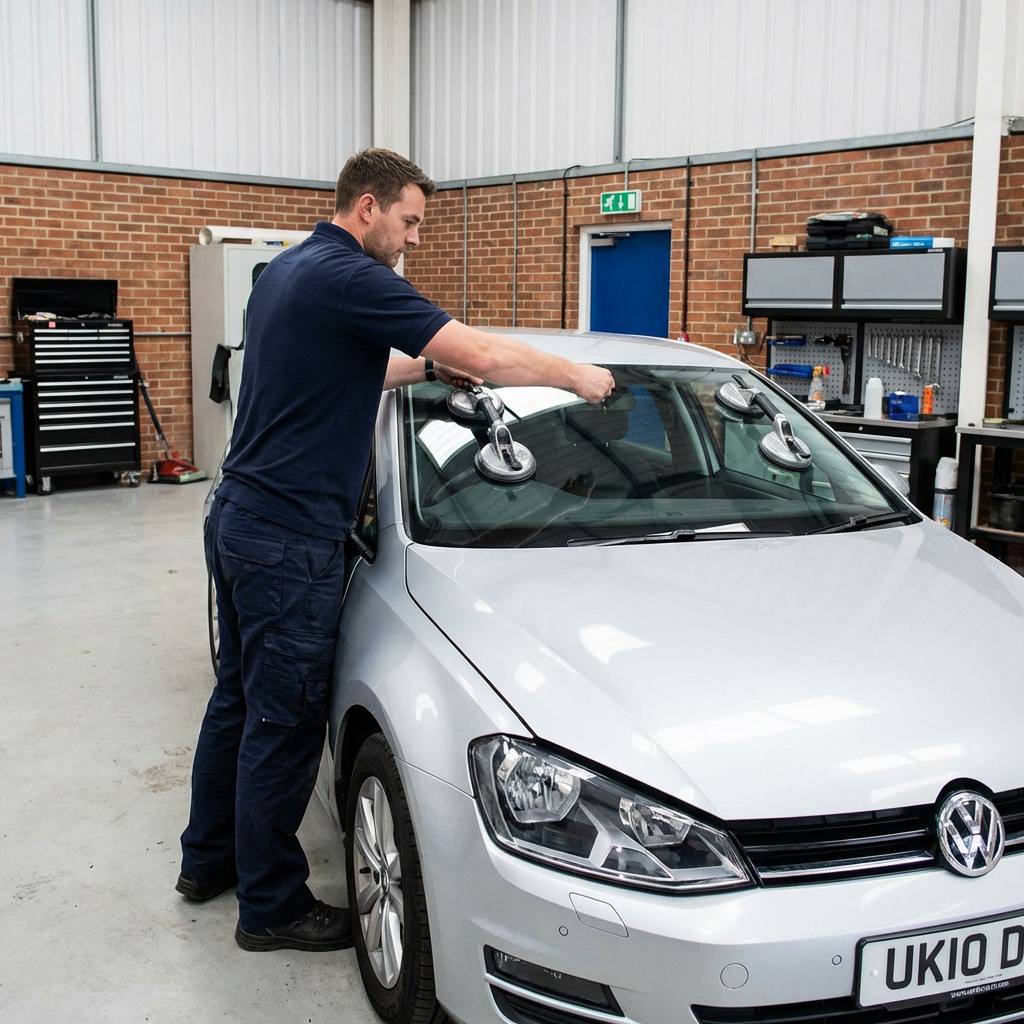
Some insurance policies include windscreen cover automatically, while others require an extra payment. When deciding whether to add this cover, drivers should consider how often their car is exposed to risks, motorway driving, parking outdoors, and living in areas prone to severe weather all increase the chances of glass damage.
What Does Windscreen Cover Include?
Windscreen cover is an insurance benefit (or add-on) that pays for repairs or replacement if vehicle glass gets damaged. Most comprehensive car insurance policies in the UK include some form of windscreen cover, but not all basic or third-party policies do.
A windscreen cover claim can be made when the front windscreen, side windows, or rear window gets chipped, cracked, or smashed. Policyholders can often claim without losing their no-claims bonus, and the excess is usually lower than for other types of damage.
What's typically covered
- Repairs to small chips in the windscreen
- Fixing or replacing cracks
- Full replacement of a broken windscreen
- Repairs or replacement for side and rear windows
- Labour costs for repairs or replacement
- Sometimes, sunroof glass
- ADAS camera recalibration after replacement (check your policy, not all include this)
Not all policies are the same. Some only include the front windscreen, while others cover all glass on the car. Repairs usually need to be carried out by approved repairers listed by the insurer. Reading the policy details matters.
Chips
When a small stone hits the windscreen, it can leave a chip. Chips seem minor, but they create weak spots in the glass. With time or temperature changes, a chip can turn into a crack.
Windscreen cover normally pays to repair chips quickly and at low cost. Fixing a chip early prevents bigger problems and often doesn't require a full windscreen replacement. Many UK insurers charge no excess for chip repairs.
Key points about chip repairs:
- Fast repairs prevent further damage
- Most policies have no excess for chips
- Repair is often done at your home or workplace
- A typical chip repair takes around 30 minutes
Cracks
Cracks are more serious than chips. They weaken the structure of the glass and can make driving unsafe. A cracked windscreen can worsen with vibration from driving or temperature changes.
Windscreen cover usually pays for repair or replacement when cracks appear. For long cracks, a full windscreen replacement may be needed. An excess often applies for crack repairs, which varies by insurer.
Drivers should act quickly, delaying repairs can lead to the windscreen failing an MOT test. A crack or chip in the driver's line of sight (known as "Zone A") larger than 10mm will cause an MOT failure.
Full replacement
Sometimes damage is too severe for repair, multiple cracks, a large area of damage, or completely shattered glass. In these cases, full replacement is necessary.
Under most comprehensive insurance policies, windscreen cover helps pay for replacement. The policy usually covers the cost of new glass and labour. There is an excess to pay, but it's lower than the excess for other claims.
Important for modern cars (2026): If your vehicle has Advanced Driver Assistance Systems (ADAS), features like lane-keeping assist, automatic emergency braking, or adaptive cruise control, the cameras and sensors mounted to the windscreen need professional recalibration after replacement. This can add £100–£300 to the total cost. Not every policy covers recalibration, so check before you claim.
Side and rear windows
Some windscreen cover policies include side and rear windows, while others don't. When included, the cover pays for repairs or replacement if these windows get broken or damaged.
Common reasons for side or rear window damage include vandalism, attempted theft, and accidental breakage. It's important to check which pieces of glass are covered, some insurers limit cover strictly to the front windscreen.
How Much Does Windscreen Repair Cost Without Insurance?
Understanding the costs helps you decide whether windscreen cover is worthwhile. Here's what UK drivers can expect to pay in 2026:
Repair vs replacement costs
| | Repair | Replacement | |---|---|---| | Typical cost without insurance | £50–£100 | £200–£400+ | | Typical excess with cover | £0–£25 | £50–£100 | | Time | 30 minutes | 2–4 hours | | Affects no-claims? | Usually no | Usually no | | MOT impact of not fixing | Fail if in driver's line of sight | Fail |
For cars with ADAS cameras, replacement costs without insurance can reach £500–£700+ once recalibration is factored in. This is one of the biggest reasons windscreen cover has become more important in recent years, as more cars come with driver-assist technology, the cost of a simple windscreen replacement has risen significantly.
When to repair vs replace: the £2 coin rule
A useful rule of thumb used by most UK windscreen technicians:
- If the chip is smaller than a £2 coin and not in the driver's direct line of sight (Zone A), it can usually be repaired.
- If the chip is larger than a £2 coin, sits in Zone A, or has developed into a crack, you'll likely need a full replacement.
- Edge damage (within 3cm of the windscreen border) usually requires replacement, as repairs in this area are less structurally reliable.
- Multiple chips close together may also mean replacement is the safer option.
The takeaway: get chips repaired early. A £0–£25 repair today could save you a £200–£400 replacement next month.
Windscreen Cover vs Full Comprehensive Insurance
Comprehensive policies
A comprehensive car insurance policy usually includes windscreen cover as standard. This means chips, cracks, or breaks in the front windscreen are generally covered for repair or replacement.
Some policies also cover other car windows, including the sunroof. When making a claim, drivers may need to pay an excess, the amount varies from policy to policy.
Most insurers allow windscreen claims without affecting the no-claims discount. Always read the policy documents for full details.
Common features of comprehensive windscreen cover:
- Windscreen repair: Included
- Windscreen replacement: Included
- No-claims discount impact: Often not affected
- Additional excess: Usually applies
Third-party and third-party, fire & theft
Third-party and third-party, fire & theft policies do not typically include windscreen cover. These types of insurance only cover damage to others or, in some cases, fire or theft-related claims.
If someone with one of these policies wants windscreen cover, they may need to purchase it as an add-on (if offered by the insurer). If windscreen cover is important to you, a comprehensive policy is usually the better choice, and surprisingly, comprehensive cover is often cheaper than third-party only.
Can you buy windscreen cover separately?
Most insurers don't sell windscreen cover as a standalone product. However, many let you add it as a bolt-on when buying or renewing your policy. The cost is usually low compared to the main premium.
A few specialist companies offer standalone windscreen insurance, typically aimed at drivers whose current insurer doesn't offer windscreen protection, or those with third-party policies. Standalone cover has its own terms, including annual premiums, claim limits, and sometimes higher excess fees.
The easiest approach: compare car insurance policies and filter for those that include windscreen cover as standard. It's simpler than managing a separate policy.
When Might You Need Windscreen Cover?
Glass damage can happen in many everyday situations. These incidents are often unexpected and sometimes costly.
Stone chips from motorway driving
Motorway driving is the most common cause of windscreen chips. Vehicles throw up small stones and debris at speed, even a tiny stone can leave a noticeable chip.
Chips may seem minor but can quickly develop into larger cracks, which are more expensive and harder to repair. Maintaining a safe following distance (the two-second rule) reduces your exposure to flying debris.
Vandalism or accidental damage
Vandalism, someone deliberately breaking glass, is another risk, whether from attempted break-ins or acts of mischief. Accidental damage (a football, a falling branch) also happens more often than you'd think.
Not all policies automatically cover vandalism or accidental damage to glass. Having dedicated windscreen cover is particularly useful in these situations.
Bad weather damage
Hail, strong winds, and storms can all damage a windscreen. Heavy branches or flying debris during storms can strike the glass without warning. Thermal stress from rapid temperature changes, like pouring hot water on a frozen screen, can also cause cracks.
Windscreen cover helps with repair or replacement costs after weather-related incidents. This is especially useful for drivers who park outdoors.
Does Windscreen Cover Affect Your No-Claims Bonus?
Most comprehensive car insurance policies do not reduce your no-claims bonus for windscreen claims. The main reason: windscreen damage usually isn't the driver's fault. Because of this, many insurers choose not to penalise policyholders.
However, each insurer sets its own rules. Some may treat a windscreen claim like any other claim, which could lower your no-claims discount at renewal. Others will record the claim but leave your bonus untouched.
Check your policy terms before claiming, especially if you're unsure how the claim could affect your premium. If protecting your no-claims discount is a priority, it's worth looking for policies that explicitly exclude windscreen claims from bonus calculations when you compare quotes.
You may still have to pay an excess
Even if your no-claims bonus isn't affected, you'll usually pay an excess for windscreen repairs or replacements. The excess for windscreen claims is typically much lower than for other types of damage:
- Windscreen repair: £0–£25
- Windscreen replacement: £50–£100
- Other claims (e.g., crash damage): £100+
Some insurers charge no excess at all for small repairs, but replacements almost always require at least a small payment. Confirm the exact amount with your provider before claiming.
How to Claim on Your Windscreen Cover
Windscreen damage can usually be assessed quickly and most insurers have a straightforward claims process.
1. Contact your insurer or approved repairer
The first step is to contact your insurance provider or their approved repairer. Most insurers work with partners like Autoglass or National Windscreens to handle claims. They may offer 24/7 online booking or a dedicated phone number.
If you contact the insurer directly, they'll guide you through the process, explain cover details, and confirm your excess. Approved repairers often handle the claim paperwork for you.
2. Choose mobile repair or visit a centre
Many repair companies now offer mobile services: a technician travels to your home, workplace, or another safe location. This is ideal if the damage makes driving unsafe. Mobile services usually cover both chip repairs and full replacements at no extra cost.
If mobile repair isn't available, you'll need to visit an approved centre. Appointments are usually offered quickly for urgent cases.
3. Provide photo evidence
Insurers often need photo evidence of the damage. Clear pictures help them assess whether the glass needs repair or full replacement. Some repairers let you upload photos via their website or app.
Take images that clearly show the chip, crack, or shattered glass, good lighting and multiple angles help. Keep your policy documents handy to speed things up.
4. Understand the excess
The excess differs depending on whether the glass is repaired or replaced. Most insurers charge a lower excess for chip repairs than for full replacements. For example, an insurer might charge £10–£25 for repairs but £75–£115 for replacement.
Your policy schedule shows the exact amounts. Always confirm whether making a claim will affect your no-claims discount, as this can vary by insurer.
Is Windscreen Cover Worth It?
For most UK drivers, yes. Here's why:
- A single windscreen replacement without insurance costs £200–£400+ (or £500–£700+ for cars with ADAS technology). With cover, you pay just £50–£100 in excess.
- Chip repairs are often free with cover, without it, you're looking at £50–£100 out of pocket.
- Windscreen claims usually don't affect your no-claims bonus, making it one of the lowest-risk types of claim.
- If you drive on motorways regularly, park outdoors, or have a car with ADAS features, the risk of needing glass work is higher than you might think.
The drivers who might not need it: those with third-party-only cover on a low-value vehicle, where the cost of adding windscreen cover exceeds the potential benefit.
Want to check if your current policy includes windscreen cover? Compare car insurance quotes from UK providers to see what's included, you might find better cover for less than you're paying now.
Tips to Protect Your Windscreen
A few practical habits can reduce the risk of chips, cracks, and costly repairs.
Avoid tailgating on motorways
Tailgating leaves little room to avoid stones kicked up by the vehicle ahead. Even a small stone from a lorry's tyres can cause a noticeable chip. The recommended two-second gap is especially important on motorways where higher speeds magnify damage.
Park away from trees and construction
Parking under trees increases the chance of falling branches or debris landing on the windscreen. Construction sites scatter loose rocks, especially in windy conditions. A garage or covered space is ideal; otherwise, choose a spot away from obvious hazards.
Use a physical windscreen cover in winter
An external windscreen cover placed over the glass overnight prevents frost and ice forming directly on the windscreen. This saves you from scraping in the morning, and avoids the temptation to pour hot water on frozen glass, which can cause thermal cracks.
Get chips repaired immediately
The single best thing you can do: don't ignore small chips. A chip that could be repaired for nothing (or £25 at most) can spread into a crack that requires a £200–£400 replacement. Temperature changes, driving vibrations, and even slamming the car door can cause a chip to spread.
Frequently Asked Questions
Does windscreen cover come as standard with comprehensive car insurance?
Usually, but not always. Most comprehensive policies include some level of windscreen cover, but the details vary, some cover all vehicle glass, others only the front windscreen. Always check your policy schedule before assuming you're covered.
Will a windscreen claim increase my insurance premium?
In most cases, no. Windscreen claims are typically treated separately from other claims and don't affect your no-claims discount or premium at renewal. However, some insurers handle this differently, so check your policy terms.
How long does a windscreen repair take?
A chip repair usually takes around 30 minutes and can often be done at your home or workplace via a mobile service. A full windscreen replacement typically takes 2–4 hours, including curing time for the adhesive.
Can I choose my own repairer?
Most insurers require you to use their approved repairers (e.g., Autoglass, National Windscreens). Using an unapproved repairer may mean your claim isn't covered or your excess is higher. Check your policy before booking.
What happens if I drive with a cracked windscreen?
A cracked windscreen can cause your car to fail its MOT. Under MOT rules, any damage in Zone A (the area directly in front of the driver) larger than 10mm is a failure. You could also be stopped by police and issued a fine if the damage affects your ability to see the road clearly.
Does windscreen cover include ADAS recalibration?
Not always. If your car has cameras or sensors mounted to the windscreen (for lane-keeping assist, auto-braking, etc.), these need recalibrating after replacement. Some policies cover this; others don't. In 2026, with ADAS becoming standard on most new cars, this is an increasingly important detail to check.
Sources & References
- MOT inspection manual: windscreens and glass – GOV.UK: official rules on windscreen condition for MOT tests
- The Highway Code – GOV.UK: requirements for vehicle condition, including windscreens and visibility
- Association of British Insurers (ABI): industry body for UK insurers, including guidance on motor insurance claims