
If your property is going to sit empty, whether because of probate, renovation, a gap between tenants, or you're trying to sell, your standard home insurance probably won't cover it. Most policies reduce or void cover after just 30–60 days of the property being unoccupied, leaving you exposed to burst pipes, theft, vandalism, and squatters with no financial protection. This guide reflects UK unoccupied property insurance practices and typical costs as of 2026.
Key Takeaways
- Most standard home insurance policies reduce or void cover after 30–60 consecutive days of the property being unoccupied.
- You need specialist unoccupied property insurance if your home will be empty for more than 30 days.
- Common reasons for needing it: probate, renovation, between tenants, extended travel, property for sale.
- Unoccupied property insurance typically costs more due to higher risks of burst pipes, vandalism, and squatters.
- Regular property checks (every 7–14 days) are usually required to maintain cover.
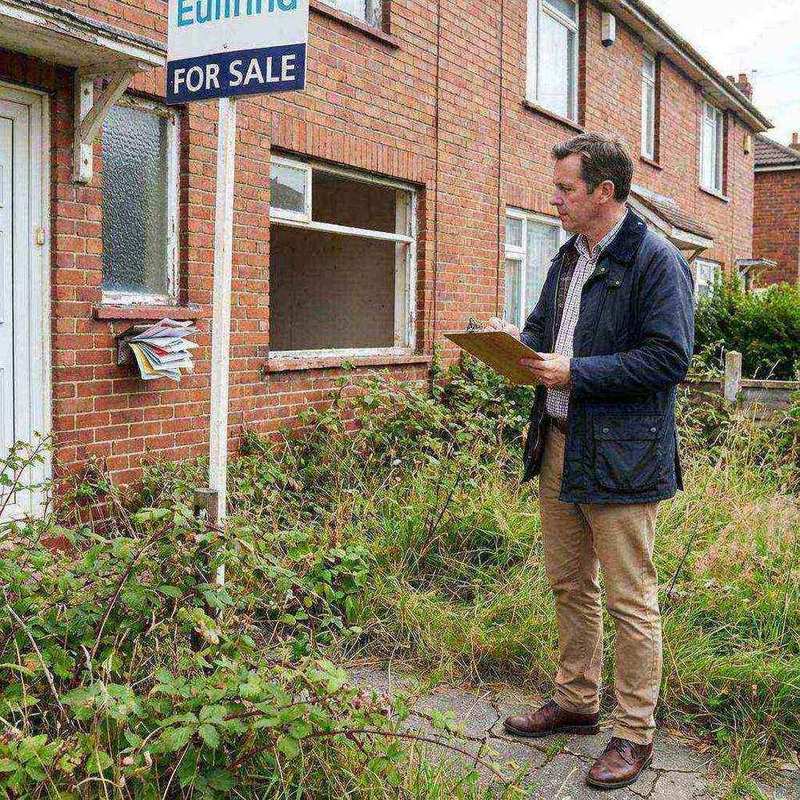
Understanding this type of insurance can save you from a devastating financial loss, particularly if you've inherited a property or are managing a renovation that's taking longer than expected.
What Is Unoccupied Home Insurance?
Unoccupied home insurance is a specialist policy designed to cover properties where no one is living. It protects against the specific risks that empty properties face, theft, vandalism, burst pipes, squatters, and unnoticed damage, which are all significantly more likely when a home sits empty.
This type of insurance provides more comprehensive cover for empty properties than a standard home insurance policy, which is designed for homes that are lived in full-time. It can be purchased for periods of 3, 6, 9, or 12 months, and renewed if the property remains empty beyond the initial term.
When Does a Property Count as Unoccupied?
This is where many property owners get caught out. The definition is stricter than most people expect:
- Most insurers define "unoccupied" as not slept in for 30–60+ consecutive days: the exact threshold varies by insurer and policy
- Occasional daytime visits don't count: popping in to check the post or run the taps may not reset the unoccupancy clock. Most insurers require someone to stay overnight or use the property as a residence
- Furnished vs unfurnished doesn't change the definition: a fully furnished home with no one living in it is still unoccupied
- A property being renovated is usually classed as unoccupied: even if builders attend daily, if no one is sleeping there, it's empty in the insurer's eyes
- A property with utilities connected is still unoccupied: having the heating on doesn't make it "occupied"
The critical thing is to check your specific policy wording. Some insurers are stricter than others about what constitutes a "visit" sufficient to reset the unoccupancy period.
Why Standard Home Insurance Won't Cover an Empty Property
Standard home insurance is designed for properties where someone is living. When a property sits empty, the risk profile changes dramatically:
| | Standard Home Insurance | Unoccupied Property Insurance | |---|---|---| | Cover while empty | Limited, typically void after 30–60 days | Designed for empty properties | | Burst pipe cover | Often excluded if empty 30+ days | Included (with conditions) | | Vandalism/malicious damage | May be excluded when unoccupied | Usually included | | Squatter removal | Not covered | Some policies include legal costs | | Theft cover | Reduced or excluded after vacancy | Included with security requirements | | Typical cost | £150–£350/year | £300–£800+/year | | Property checks required | No specific requirement | Usually every 7–14 days |
The most common scenario: someone's standard home insurance has a 30-day unoccupancy clause buried in the terms. The property sits empty for 6 weeks, a pipe bursts, and the insurer refuses to pay because the unoccupancy limit was breached. The claim can run into tens of thousands of pounds, and the homeowner is left to cover it entirely.
If your property will be empty for more than 30 days, tell your insurer immediately and arrange appropriate cover.
What Does Unoccupied Property Insurance Cover?
A good unoccupied property policy should include:
Buildings insurance
Covers the structure, walls, roof, foundations, permanent fixtures, against:
- Fire and smoke damage
- Storm, flood, and escape of water (burst pipes, leaking tanks)
- Subsidence, heave, and landslip
- Vandalism and malicious damage
- Falling trees and debris
- Impact damage
Contents insurance
If the property is furnished (even partially), contents cover protects moveable items, furniture, appliances, personal belongings, against theft, damage, fire, and flood.
Property owners' liability
Covers your legal liability if someone is injured on or around your property. This applies even when the property is empty, a delivery person slipping on an icy path, a neighbour injured by a falling tile, or a trespasser hurt by an unsafe structure could all lead to a claim.
Additional cover options
- Squatter removal: legal costs to remove squatters (a growing concern for empty properties in some UK areas)
- Emergency repairs: rapid response for burst pipes, boiler failures, or security breaches
- Alternative accommodation: if you planned to return to the property but it's now uninhabitable due to an insured event
- Loss of rent: if the property was about to be let and damage prevents this
What's typically NOT covered
- Gradual deterioration or wear and tear, an insurer won't pay for a roof that's been slowly degrading
- Damage from lack of maintenance: if you didn't fix a known problem and it worsened, the claim can be rejected
- Failure to meet policy conditions: if the policy requires fortnightly checks and you didn't do them, claims can be denied
- Pre-existing damage: damage present before the policy started
- Damage from leaving the property unsecured: open windows, unlocked doors, or disabled alarms can void claims
Common Reasons You Need Unoccupied Property Insurance
Probate
You've inherited a property following someone's death. The probate process can take 6–18 months (sometimes longer for complex estates), and the property sits empty throughout. This is one of the most common, and most stressful, reasons for needing unoccupied cover. See the dedicated section below.
Renovation
Major building works that make the property uninhabitable. Even if contractors are on-site daily, the property is classed as unoccupied. Renovation cover may also need to include contractor liability protection.
Between tenants
A gap between one tenant moving out and another moving in. If this extends beyond 30 days, your landlord insurance may not cover the property. Specialist void period cover fills the gap.
Property for sale
You've already moved out and the property is on the market. Depending on how long it takes to sell, you may need months of unoccupied cover.
Extended travel
You're travelling for more than 30–60 days. Your standard home insurance may not cover the property while you're away.
Care home
You or a family member has moved into residential care permanently, and the former home is now empty. This can continue for years if the property isn't sold quickly.
Each scenario has slightly different needs, renovation requires contractor considerations, probate involves estate administration responsibilities, and letting gaps need alignment with your landlord policy. Make sure your cover matches your specific situation.
Unoccupied Home Insurance for Probate Properties
Dealing with a loved one's estate is stressful enough without insurance complications. Here's what you need to know:
Your responsibilities as executor
As the executor (or administrator) of an estate, you have a legal duty to maintain the deceased's property and protect it from damage until it's sold or transferred. This includes arranging appropriate insurance.
What happens to the existing insurance?
The deceased person's home insurance doesn't automatically transfer to you or the estate. In most cases:
- The insurer should be notified of the death as soon as possible
- The policy may be cancelled, or it may continue for a short period (typically 30 days) while you arrange new cover
- If no one tells the insurer and a claim is made months later, it's very likely to be rejected
What you need to do
- Notify the deceased's insurer immediately and ask about continuing cover during probate
- Arrange unoccupied property insurance in your name as executor (or in the estate's name), this should start as soon as the existing cover expires
- Maintain the property: regular visits, security, heating in winter, and basic upkeep
- Keep records: log your visits, any maintenance carried out, and all insurance correspondence
- Budget for the full probate period: this can be 6–18+ months. Factor the insurance cost into estate expenses (it can be paid from the estate)
Dealing with a probate property? Compare home insurance quotes to find the right cover while the estate is settled.
Insurance for Empty Properties During Renovation
Properties undergoing major renovation present specific insurance challenges:
- The property is classed as unoccupied even if builders attend daily, no one is sleeping there
- Standard home insurance typically won't cover a property under renovation: the increased risk of damage (from construction, removed security features, exposed structures) changes the risk profile
- You may need additional contractor liability cover: ensuring that any contractors working on the property have their own insurance, and that your policy covers damage caused by renovation works
- Building materials and tools on-site may need separate cover
- The rebuild value may change during renovation, if you're significantly increasing the property's value, your insurance should reflect the new rebuild cost
Some specialist insurers offer renovation-specific unoccupied policies that bundle building works cover with standard unoccupied protection. This is usually more cost-effective than trying to patch together separate policies.
How Much Does Unoccupied Home Insurance Cost?
Unoccupied property insurance is more expensive than standard home insurance, typically £300–£800+ per year: reflecting the higher risk.
What affects the cost?
| Factor | Impact | |---|---| | Property value/rebuild cost | Higher value = higher premium | | Location | Flood risk, subsidence, high crime areas cost more | | Construction type | Non-standard (timber, thatch, flat roof) costs more | | Length of vacancy | Longer = more expensive. Short-term (1–3 months) is cheaper than long-term (6–12+ months) | | Reason for vacancy | Probate and renovation may attract different rates | | Security measures | Better security = lower premium | | Claims history | Previous claims on any property can increase costs |
Indicative costs
- Short-term vacancy (1–3 months): £100–£300
- Medium-term (3–6 months): £200–£500
- Long-term (6–12 months): £400–£800+
- Properties in flood or subsidence risk areas: significantly more
- Listed or non-standard construction: add 30–50%
These are rough guides, the best way to find your actual cost is to compare quotes from multiple providers.
How to Protect an Unoccupied Property
Taking practical steps to secure and maintain an empty property reduces risk, helps maintain your insurance cover, and can lower your premiums.
Regular visits: every 7–14 days
Most unoccupied property policies require regular inspections as a condition of cover. Keep a written log of each visit including the date, time, and anything you checked or did. This log can be critical evidence if you need to make a claim.
During each visit, check for:
- Signs of water damage: damp patches, dripping, pooling. A small leak becomes a disaster in an empty property.
- Signs of break-in or attempted entry: damaged locks, broken windows, disturbed items
- Heating system functioning correctly (in winter)
- Gutters and drains: clear of blockages
- Roof: visible damage, missing tiles
- Post accumulation: clear the letterbox; a pile of post signals an empty home
Winter precautions
- Maintain heating at minimum 15°C to prevent pipes freezing
- If you can't maintain heating, drain the water system: turn off the stopcock and open all taps to empty the pipes
- Lag exposed pipes in lofts, garages, and outbuildings
- Check the boiler is serviced and functioning before winter
Security measures
- Fit deadlocks on all external doors
- Secure all windows: consider window locks and restrictor stays
- Install a burglar alarm: even a visible alarm box acts as a deterrent
- Install security cameras or smart doorbell: visible cameras deter opportunistic criminals
- Use timer switches on lights: create the illusion of occupancy
- Remove visible valuables or store them securely elsewhere
Maintenance
- Keep the garden maintained: overgrown gardens are one of the biggest signals of an empty property
- Forward post or arrange regular collection
- Inform neighbours: ask them to report anything suspicious and give them your contact details
- Arrange emergency repair access: ensure a keyholder or property manager can get access quickly if something goes wrong
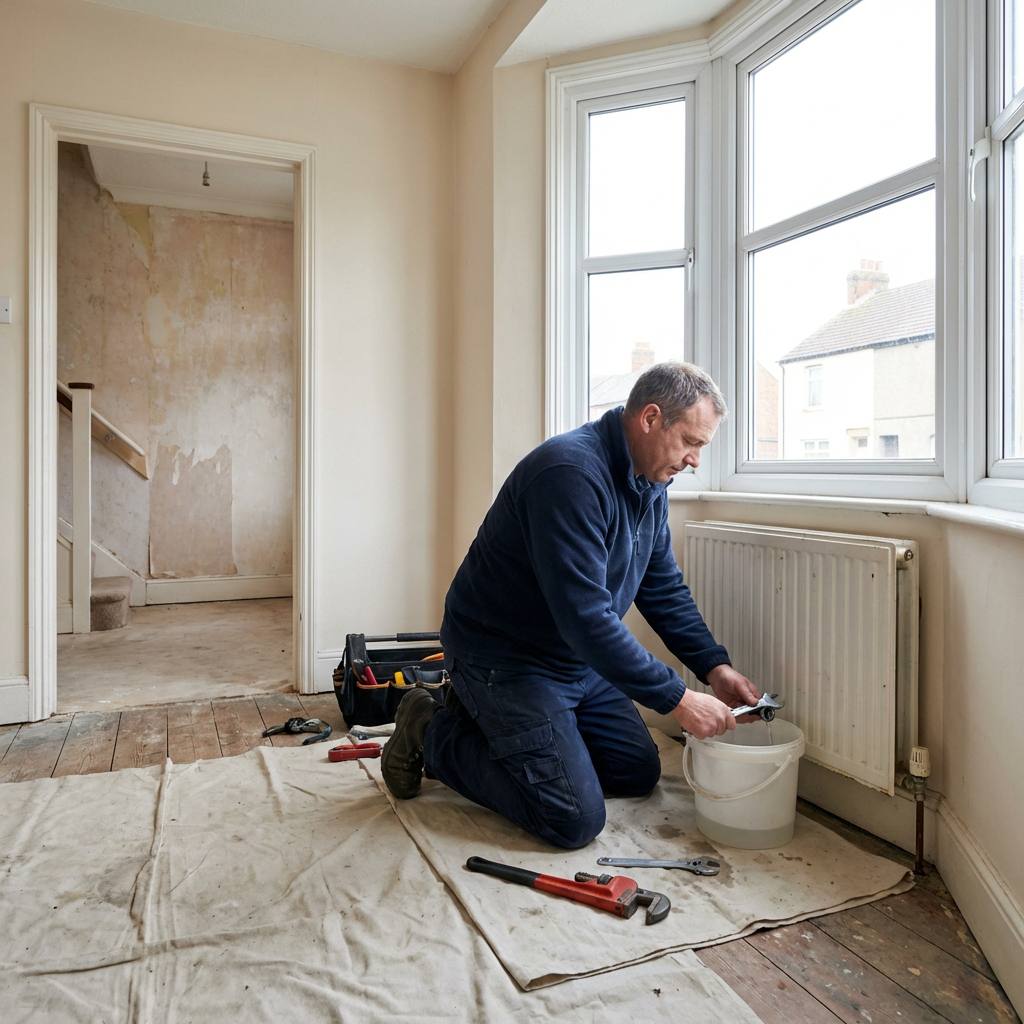
Protect your unoccupied property with the right insurance. Compare quotes from UK providers today.
How to Compare Unoccupied Home Insurance Quotes
Finding the right policy requires comparing both price and cover. Here's how:
What you'll need
- Property details: address, type, construction, age, rebuild value
- Reason for vacancy: probate, renovation, sale, between tenants, travel
- Expected duration: how long the property will be empty
- Security features: alarms, locks, cameras
- Property condition: any existing issues or recent claims
- Contents value: if the property is furnished
What to compare
- Unoccupancy period covered: make sure it's long enough for your situation
- Property check requirements: every 7 days? Every 14? Can a nominated person do it?
- Escape of water cover: is it included? What conditions apply?
- Excess amounts: how much you'd pay towards a claim
- Squatter cover: some policies include legal costs for removal
- Renovation cover: if applicable, does the policy cover building works?
- Flexibility: can you extend the policy if the vacancy lasts longer than expected?
Always choose insurers regulated by the Financial Conduct Authority: verify any provider on the FCA Register.
Need cover for an empty property? Compare unoccupied home insurance quotes from specialist UK providers.
Second Homes and Holiday Properties
If your property isn't truly unoccupied but rather used intermittently (weekends, holidays, letting periods), you may not need unoccupied property insurance. Instead, consider:
- Second home insurance: for properties you visit regularly but don't live in full-time
- Holiday home insurance: for properties used for personal holidays or let to guests
- Landlord insurance: for properties let to long-term tenants
The right policy depends on how the property is used. Unoccupied property insurance is specifically for homes that are genuinely empty: no one living in, visiting regularly, or letting.
Frequently Asked Questions
What qualifies as an "unoccupied" property for insurance purposes?
Most insurers define unoccupied as not slept in for 30–60+ consecutive days. Occasional daytime visits (checking the post, running taps) may not count as occupancy. Whether the property is furnished or unfurnished doesn't change the definition, it's about regular habitation.
Why is unoccupied home insurance more expensive?
Empty properties face significantly higher risks: burst pipes go unnoticed, there's no one to deter thieves, vandalism is more likely, and damage can escalate before anyone discovers it. These higher risks translate to higher premiums, typically £300–£800+/year compared to £150–£350 for standard home insurance.
How long can a house be left unoccupied on standard home insurance?
Most standard policies have a 30–60 day limit. After this, cover may be reduced to basic perils only (fire, possibly liability) or voided entirely. If your property will be empty beyond this period, you need specialist unoccupied cover.
I've inherited a property: what insurance do I need?
As executor, you need to notify the deceased's insurer immediately and arrange unoccupied property insurance in your name or the estate's name. The deceased's policy doesn't automatically transfer. Probate can take 6–18+ months, so budget for cover throughout this period. The insurance cost can be paid from the estate.
Do I need unoccupied insurance if builders are in the property daily?
Usually, yes. If no one is sleeping in the property overnight, it's classed as unoccupied regardless of daytime activity. Renovation properties may also need additional cover for building works and contractor liability.
What happens if I don't tell my insurer my property is empty?
If you make a claim and the insurer discovers the property was unoccupied beyond the policy's limit, they can refuse to pay the claim entirely. You'd be left to cover all repair or replacement costs yourself, which for burst pipe damage or fire can run into tens of thousands of pounds.
Can I reduce my unoccupied home insurance costs?
Yes. Install security measures (alarms, cameras, quality locks), visit the property regularly, maintain heating in winter, pay annually instead of monthly, and compare quotes from multiple providers. Properties with good security and regular documented visits attract lower premiums.
Does unoccupied property insurance cover squatters?
Some specialist policies include squatter cover: typically covering legal costs to remove squatters and repair any damage they cause. This isn't standard on all policies, so check specifically if this is a concern for your property.
Sources & References
- Home insurance – Association of British Insurers (ABI): industry guidance on choosing home insurance, including unoccupied properties
- Applying for probate – GOV.UK: official guidance on the probate process, executor responsibilities, and managing an estate
- FCA Register: verify that your insurer is authorised and regulated by the Financial Conduct Authority
- Citizens Advice – Home insurance: independent guidance on property insurance obligations and your rights as a policyholder