
If you own a holiday home in the UK, a cottage in Cornwall, a lodge in the Lake District, a coastal flat in Pembrokeshire, or a converted barn in the Cotswolds, it needs its own insurance. Standard home insurance won't cover a property you don't live in full-time, and if you let it to guests, you need even more specific cover. This guide reflects UK holiday home insurance practices and typical costs as of 2026.
Key Takeaways
- Standard home insurance won't cover a holiday home: you need a specialist policy.
- If you let your holiday home to guests (Airbnb, Booking.com, direct lets), you need holiday let cover including public liability.
- Most policies limit cover when the property is unoccupied for 30–60+ consecutive days.
- Buildings insurance is typically required by your mortgage lender.
- Average cost ranges from £200–£600/year depending on location, property type, and whether you let it out.
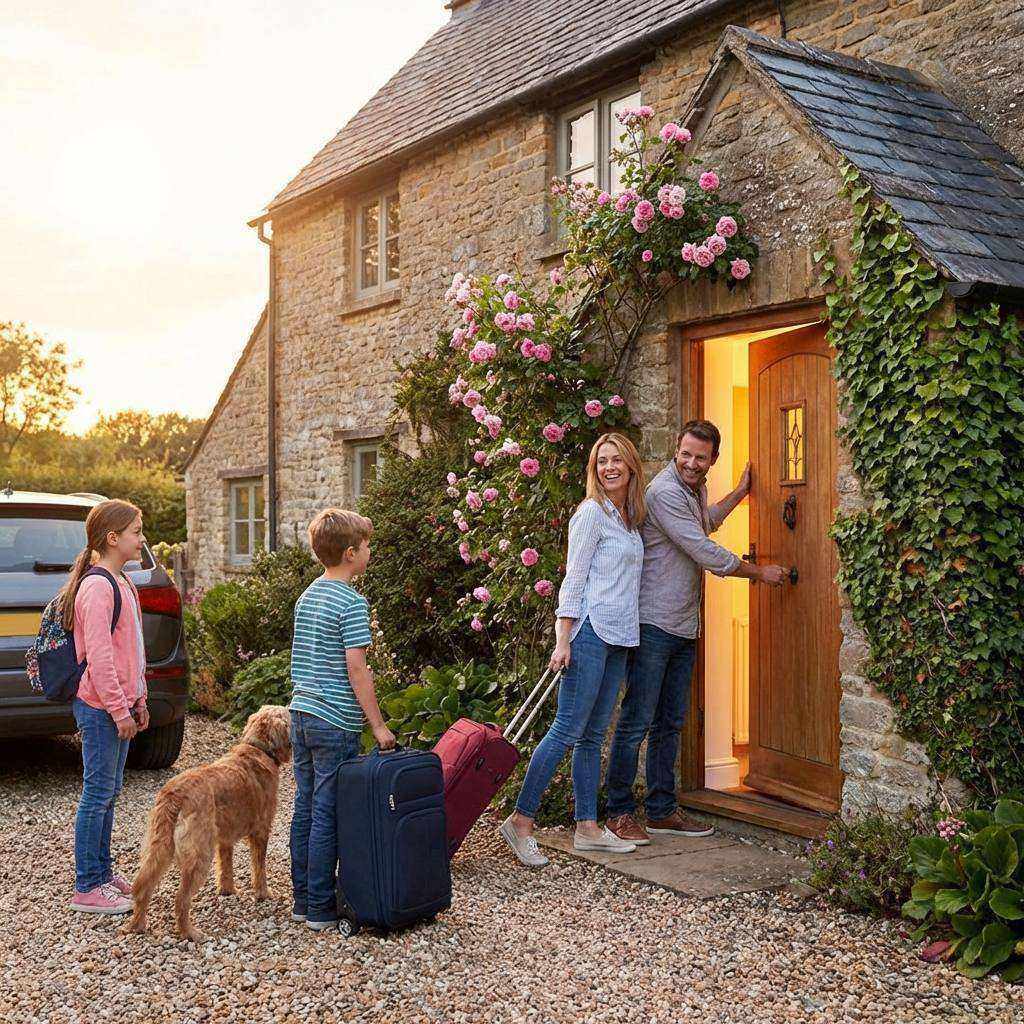
Whether you use your holiday home purely for family breaks or let it to paying guests for part of the year, the right insurance protects a significant investment against risks that standard policies simply don't cover.
What Is Holiday Home Insurance?
Holiday home insurance is a specialist policy designed for properties used primarily for leisure, recreation, or holiday letting, not as a permanent residence. It covers the unique risks that come with properties that are often unoccupied for extended periods, used by different people throughout the year, and located in areas that may carry higher weather or theft risks.
A good holiday home policy typically combines buildings insurance, contents insurance, and public liability cover, with optional add-ons for holiday letting, loss of rental income, and emergency assistance.
Holiday home insurance covers all types of UK leisure properties: cottages, lodges, apartments, static caravans, converted barns, and period homes. If it's not your primary residence and you use it for holidays or letting, it needs specialist cover.
Do I Need Insurance for My Holiday Home?
There's no legal requirement to insure a holiday home in the UK. However:
- If you have a mortgage, your lender will almost certainly require buildings insurance as a condition of the loan
- If you let to paying guests, public liability insurance is essential, and arguably a moral obligation to protect your guests
- If the property is your second biggest asset (after your main home), leaving it uninsured exposes you to potentially devastating financial loss from fire, flood, subsidence, or storm damage
The question isn't really whether you need it, it's what level of cover is appropriate for how you use the property.
Holiday Home Insurance vs Standard Home Insurance
| | Standard Home | Holiday Home (Personal Use) | Holiday Let | |---|---|---|---| | Primary purpose | Main residence | Second home for personal holidays | Rented to paying guests | | Public liability | Usually included | Usually included | Essential, higher cover needed | | Guest damage cover | N/A | N/A | Yes, accidental and malicious | | Loss of rental income | N/A | N/A | Optional but recommended | | Unoccupancy limit | 30–60 days | 30–90 days depending on policy | Often more flexible | | Typical annual cost | £150–£350 | £200–£500 | £300–£700+ |
The key difference: standard home insurance assumes someone is living in the property full-time. Holiday home policies are built around the reality that the property may be empty for weeks or months at a time, and may be used by guests who don't treat it as carefully as you would.
For more on insuring a second property (whether it's a holiday home or not), see our second home insurance guide.
What Does Holiday Home Insurance Cover?
Buildings insurance
Covers the structure of your property, walls, roof, foundations, permanent fixtures (fitted kitchens, bathrooms), and outbuildings such as garages, sheds, or annexes. Protection against:
- Fire, storm, and flood damage
- Escape of water (burst pipes, leaking tanks)
- Subsidence, heave, and landslip
- Vandalism and malicious damage
- Falling trees and debris
- Impact damage
Buildings insurance is based on the rebuild cost: the cost of materials, labour, professional fees, debris removal, and VAT to reconstruct the property from scratch. This is different from the market value. Getting a professional rebuild valuation is important, especially for period properties, non-standard construction, or listed buildings where specialist materials may be required.
Contents insurance
Covers moveable items inside the property, furniture, appliances, electronics, kitchenware, soft furnishings, and personal belongings. This includes protection against theft, accidental damage, fire, and flood.
For holiday homes, accurately valuing contents is critical. Many owners underestimate the total value of furnishings, especially if the property is equipped to a high standard for letting. If you're underinsured, the insurer can reduce any claim payout proportionally.
Public liability insurance
Protects you against legal claims if someone is injured on your property or their property is damaged as a result of your home. Cover is typically up to £2–5 million for accidental injury or damage, including compensation and legal costs.
Public liability is essential whether or not you let the property. Visitors, tradespeople, neighbours, and even trespassers can potentially make a claim. If you let to paying guests, adequate public liability cover is non-negotiable.
Optional add-ons
- Loss of rental income: covers lost bookings if the property is damaged and uninhabitable
- Alternative accommodation: covers temporary housing if the property can't be lived in during repairs
- Legal expenses cover: for disputes with guests, neighbours, or contractors
- Home emergency cover: rapid response for boiler failure, burst pipes, or electrical emergencies
- Hot tub, swimming pool, or outbuilding cover: not always included as standard
What's typically NOT covered
- Wear and tear or gradual deterioration
- Maintenance failures (e.g., damage caused by a neglected roof)
- Damage during unoccupied periods beyond the policy's limit
- Intentional damage by the policyholder
- Certain flood or subsidence risks depending on location and history
Insurance for Holiday Lets: What Extra Cover Do You Need?
If you rent out your holiday home, through Airbnb, Booking.com, Sykes Cottages, a local agency, or directly, standard holiday home insurance won't be enough. Letting introduces risks that personal-use-only policies don't cover.
What holiday let insurance should include
- Public liability cover: minimum £1 million, ideally £2–5 million. If a guest slips on a wet floor, falls down stairs, or is injured by a faulty appliance, you could face a significant compensation claim.
- Employers' liability: if you hire anyone (cleaners, gardeners, maintenance staff, property managers), employers' liability insurance is a legal requirement. Cover is typically £10 million.
- Guest damage cover: accidental damage by guests (a red wine spill on the carpet, a broken window) and sometimes malicious damage (deliberate destruction, which is rarer but does happen).
- Loss of rental income: if the property is damaged and you have to cancel bookings while repairs are carried out, this covers the lost income. Essential if you depend on letting revenue.
- Contents cover for guest use: standard contents insurance may not cover damage caused by paying guests. Holiday let policies specifically include this.
- Legal expenses: covers costs if a guest dispute, boundary issue, or regulatory matter requires legal action.
Flexible dual-use policies
Some insurers offer policies that cover both personal use and holiday letting under one arrangement. This is often the most practical option if you use the property yourself for part of the year and let it for the rest.
Letting your holiday home? Make sure you have the right cover. Compare specialist holiday let insurance quotes.
For long-term or year-round letting (rather than holiday lets), you may need landlord insurance instead.

How Much Does Holiday Home Insurance Cost in the UK?
Holiday home insurance is more expensive than standard home insurance, the combination of unoccupancy risk, letting liability, and often remote or coastal locations pushes premiums higher. Here's what to expect in 2026:
| Cover Type | Typical Annual Cost | |---|---| | Buildings insurance only (personal use) | £150–£350 | | Contents insurance only | £80–£250 | | Combined buildings & contents (personal use) | £200–£500 | | Combined buildings & contents (holiday let) | £300–£700+ | | Listed/period property | £400–£1,000+ | | Coastal or flood-risk property | £500–£1,200+ |
These are indicative ranges, actual premiums depend on property value, location, construction type, security, letting activity, and claims history.
What affects the cost?
- Property location: coastal properties, flood-risk areas, and remote locations attract higher premiums. Just as with car insurance, location is one of the biggest pricing factors.
- Construction type: thatched roofs, timber frames, flat roofs, and listed buildings cost more to insure due to higher repair costs and specialist materials.
- Property value and rebuild cost: the higher the rebuild value, the higher the premium.
- Whether you let it out: holiday letting increases risk (guest damage, liability claims) and therefore cost.
- Occupancy pattern: properties empty for most of the year cost more than those used regularly.
- Security measures: approved alarms, smart locks, and CCTV can qualify you for discounts.
- Claims history: previous claims on any property (including your main home) can affect quotes.
Unoccupancy Rules: Protecting an Empty Holiday Home
Unoccupancy clauses are one of the most commonly misunderstood aspects of holiday home insurance, and one of the most common reasons claims are rejected. Understanding these rules is essential.
How unoccupancy clauses work
Most holiday home policies reduce or void cover if the property is continuously unoccupied beyond a set period, typically 30 to 60 days, though some specialist policies allow 90+ days.
If you exceed the unoccupancy limit and make a claim, the insurer can refuse to pay, even though you've been paying premiums throughout.
How to maintain cover during vacant periods
- Visit regularly: aim for every 7–14 days during winter and at least monthly in warmer months. Some insurers require documented visits.
- Maintain heating in winter: keep the thermostat at a minimum of 15°C to prevent pipes freezing and bursting. Escape of water is one of the most common and expensive holiday home claims.
- Drain the water system: if you can't maintain heating over winter, consider draining pipes and turning off the water at the mains.
- Arrange a keyholder: a neighbour, local friend, or property management company who can check the property on your behalf and respond to emergencies.
- Keep the property looking occupied: use timer lights, collect post, and maintain the garden. An obviously empty property is a target for theft and vandalism.
- Secure the property: lock all doors and windows, set the alarm, and ensure the property is weathertight before leaving.
- Notify your insurer: if you expect to be away beyond the unoccupancy limit, tell your insurer. Some offer extended cover for an additional premium.
For properties that will be empty for very long periods, a dedicated unoccupied property insurance policy may be more appropriate.
Seasonal considerations
| Season | Key Risks | Precautions | |---|---|---| | Winter | Burst pipes, storm damage, condensation, heating failure | Maintain minimum 15°C, lag pipes, check roof, clear gutters | | Spring | Damp, mould after winter closure, garden overgrowth | Air the property, check for damp, maintain exterior | | Summer | Higher letting activity, guest liability, break-ins during popular holiday periods | Ensure letting cover is active, brief guests on safety, secure between lets | | Autumn | Storm damage, leaf blockage in gutters, early frost risk | Clear gutters, check drainage, prepare heating system |
Year-round, maintain a local emergency contact who can respond if the alarm triggers, a pipe bursts, or severe weather damages the property.
How to Reduce the Cost of Holiday Home Insurance
Holiday home premiums are higher than standard, but practical steps can keep costs manageable:
1. Install approved security
Burglar alarms (ideally monitored), smart locks, CCTV cameras, window locks, and security lighting can all qualify you for premium discounts. Some insurers require specific security measures for higher-value properties.
2. Fit smoke and carbon monoxide detectors
These are often required anyway if you let the property, but they can also reduce your premium. Smart detectors that alert you remotely are especially valued.
3. Install smart home sensors
Water leak detectors, temperature monitors, and smart smoke alarms help prevent small problems becoming major claims. Some insurers offer specific discounts for smart-monitored properties.
4. Maintain regular property checks
Visiting the property every 7–14 days (or having someone check it) demonstrates lower risk and keeps you within unoccupancy limits. Some insurers explicitly reward regular checks with lower premiums.
5. Maintain heating at 15°C minimum in winter
Preventing burst pipes prevents one of the most expensive claim types. The cost of keeping the heating on low is far less than the excess and premium increase from a water damage claim.
6. Keep gardens maintained
An overgrown garden signals an empty property. Regular maintenance reduces the risk of break-ins and vandalism, and therefore your premiums.
7. Bundle buildings and contents
Combining both under a single policy is usually cheaper than buying separately. The insurer offers a discount for the combined business.
8. Increase your voluntary excess
Raising the amount you'd pay towards a claim reduces your premium, but only set it at a level you can genuinely afford.
9. Compare specialist insurers
Don't just check mainstream providers. Specialist holiday home and holiday let insurers often offer more competitive rates and more appropriate cover. Comparing quotes from multiple providers is the most effective way to find a competitive deal, compare home insurance quotes here.
10. Pay annually
Monthly instalments typically add 15–30% in interest. If you can afford the lump sum, annual payment saves real money.
Compare quotes from specialist and mainstream insurers to find competitive holiday home cover. Get home insurance quotes here.
How to Compare Holiday Home Insurance Quotes
Comparing quotes ensures you get the right cover at the right price. Here's how to approach it:
Information you'll need
- Property details: type, address, year built, construction type (standard brick, timber frame, thatched, etc.)
- Rebuild value: get a professional valuation, especially for period or non-standard properties
- Contents value: total estimated replacement cost of everything inside
- Security features: alarms, locks, CCTV, monitoring systems
- Occupancy pattern: how often you use it, how long it's typically empty
- Letting details: whether you let to guests, how often, through which platforms
- Claims history: any previous claims on this or any other property
What to check when comparing
- Cover level: are you comparing like for like? Check that all quotes include the same cover types.
- Unoccupancy limit: 30 days is tight for a holiday home. Look for 60–90+ days.
- Excess amounts: a cheap premium with a high excess may not be good value.
- Escape of water cover: one of the most common claims. Make sure it's included and not restricted during vacant periods.
- Letting cover: if you plan to let, check that the policy covers this or can be upgraded.
- Exclusions: read the policy wording, particularly around flood risk, subsidence, and non-standard construction.
Always choose insurers regulated by the Financial Conduct Authority (FCA): verify any provider on the FCA Register.
Ready to find the right cover for your holiday home? Compare home insurance quotes from a panel of UK providers.
Overseas Holiday Homes
If you own a holiday home abroad, the insurance landscape is different. UK-based insurers may offer overseas property cover, but you'll need to consider:
- Local legal requirements: some countries require property insurance by law, or your mortgage provider may mandate it
- Local vs UK insurer: local insurers may understand the specific risks better (earthquakes, extreme weather, local theft patterns), but UK insurers offer the convenience of dealing in English and Sterling
- Buildings, contents, and liability: the same cover types apply, but terms and exclusions may differ significantly from UK policies
- Currency fluctuations: rebuild costs and premiums may be affected by exchange rates
- Travel insurance: separate travel insurance is still needed for your journey to and from the property
Research local requirements carefully and consider specialist overseas property insurers who understand both UK and local regulations.
Frequently Asked Questions
Is holiday home insurance mandatory in the UK?
There's no legal requirement to insure a holiday home. However, if you have a mortgage, your lender will almost certainly require buildings insurance. If you let to paying guests, public liability insurance is strongly advised to protect against injury claims. Even without these obligations, insuring a valuable asset is simply prudent financial management.
Can I use standard home insurance for a holiday home?
In almost all cases, no. Standard home insurance is designed for a property you live in full-time. If the property is unoccupied for more than 30 days, used as a holiday let, or isn't your primary residence, standard cover is unlikely to protect you, and claims may be rejected.
What happens if my holiday home is empty for more than 60 days?
Check your policy's unoccupancy clause. Most policies limit or void cover after 30–90 consecutive days of vacancy. If you exceed the limit and make a claim, the insurer can reject it. Contact your insurer if you expect a long vacancy, some offer extended cover for an additional premium. For long-term empty properties, consider unoccupied property insurance.
Does holiday home insurance cover burst pipes?
Yes, escape of water is one of the most common holiday home claims. However, most policies include conditions: you may need to maintain heating at a minimum temperature during winter or drain the water system. Failing to meet these conditions can invalidate the claim.
Do I need different insurance if I let my holiday home on Airbnb?
Yes. Standard holiday home insurance (personal use only) doesn't cover guest-related incidents. You need holiday let cover that includes public liability, guest damage, and ideally loss of rental income. Some insurers offer dual-use policies covering both personal use and letting.
How much does holiday home insurance cost?
Expect to pay £200–£500/year for combined buildings and contents (personal use) or £300–£700+/year if you let the property. Coastal properties, listed buildings, and flood-risk areas can cost significantly more. The best approach is to compare quotes from multiple providers.
Does Flood Re cover holiday homes?
Generally, no. The Flood Re scheme is designed to make flood insurance affordable for primary residences only. Holiday homes, buy-to-let properties, and commercial properties are typically excluded. If your holiday home is in a flood-risk area, you'll need to find flood cover through the standard insurance market, which may be more expensive.
What should I look for in a holiday let insurance policy?
The essentials: public liability (minimum £1–2 million), buildings and contents cover that includes guest damage, loss of rental income protection, and employers' liability if you hire anyone. Check the unoccupancy limits, excess amounts, and whether the policy covers both your personal use and letting periods.
Sources & References
- Home insurance – Association of British Insurers (ABI): industry guidance on choosing home insurance, including holiday homes and letting
- Flood Re: the UK scheme that helps make flood insurance affordable for residential properties (note: typically excludes holiday homes and buy-to-let properties)
- FCA Register: verify that your insurer is authorised and regulated by the Financial Conduct Authority
- VisitEngland Quality Assessment, quality standards for holiday let properties, relevant to letting insurance requirements