
If you own a second home in the UK, whether it's a holiday cottage, coastal retreat, countryside bolt-hole, or a property you let out, it needs its own insurance. Standard home insurance usually won't cover a second property, and getting the wrong policy (or no policy) leaves a significant asset exposed to risk. This guide reflects UK second home insurance practices and typical costs as of 2026.
Key Takeaways
- Standard home insurance usually won't cover a second property: you need a specific second home policy.
- Second home insurance typically costs 20–50% more than primary home insurance due to higher risk.
- Unoccupancy clauses are critical: most policies restrict cover if the property is empty for 30–60+ consecutive days.
- If you let your second home to guests or tenants, you'll likely need additional landlord or holiday let cover.
- Buildings insurance is essential if you have a mortgage on the property, most lenders require it.
This guide covers what second home insurance includes, how it differs from standard cover, what it costs, the unoccupancy rules that catch people out, and how to find the best deal.
What Is Second Home Insurance?
Second home insurance is a specialist policy designed to cover properties that aren't your main residence. These might be holiday homes, inherited properties, second properties kept for family use, or homes you're renovating before moving into.
Because second homes are unoccupied for longer periods than primary residences, they carry higher risks, unnoticed leaks, break-ins, storm damage that goes unreported for weeks. Insurers recognise this and require a specific policy rather than allowing you to extend your existing home insurance.
The policy structure is similar to standard home insurance (buildings, contents, liability), but the terms, exclusions, and pricing reflect the higher risk profile of a property that isn't lived in full-time.
Why Do You Need Separate Insurance for a Second Home?
You might wonder whether your existing home insurance can simply cover both properties. In almost all cases, it can't. Here's why:
- Unoccupancy limits: standard home insurance typically voids or restricts cover if a property is empty for more than 30 consecutive days. Second homes are often empty for far longer.
- Letting exclusions: if you rent your second property to guests or tenants, standard cover won't protect you. You need specific letting cover.
- Higher rebuild costs: holiday homes, period cottages, and rural properties may need specialist materials or heritage repairs that cost more than standard construction.
- Different risk profile: an empty property is more vulnerable to theft, vandalism, burst pipes, and gradual damage that goes unnoticed.
Without proper cover, an insurer can reject your claim entirely, leaving you to fund repairs or replacement costs out of pocket on what may be a property worth hundreds of thousands of pounds.
Second Home Insurance vs Standard Home Insurance: Key Differences
| | Standard Home Insurance | Second Home Insurance | |---|---|---| | Designed for | Primary residence you live in full-time | Property you don't live in full-time | | Unoccupancy limit | Typically 30 days (often voids cover beyond this) | 60–90+ days (varies by insurer) | | Cost | Standard rates | Typically 20–50% more | | Covers holiday letting? | No, usually excluded | Optional add-on or separate policy | | Mortgage requirement | Yes, buildings cover usually required | Yes, if mortgaged | | Flood/subsidence cover | Standard | May have exclusions depending on location | | Customisable add-ons | Basic options | More extensive options for letting, unoccupancy, etc. |
What Does Second Home Insurance Cover?
A comprehensive second home policy should include the following:
Buildings insurance
Covers the structure of your property, walls, roof, foundations, permanent fixtures (fitted kitchens, bathrooms), and outbuildings. Protection against:
- Fire, storm, and flood damage
- Escape of water (burst pipes, leaking tanks)
- Subsidence, heave, and landslip
- Vandalism and malicious damage
- Falling trees and debris
- Impact damage (e.g., a vehicle hitting the property)
Buildings insurance is essential if you have a mortgage: your lender will almost certainly require it as a condition of the loan.
Contents insurance
Covers moveable items inside the property, furniture, appliances, soft furnishings, electronics, kitchenware, and personal belongings. This includes protection against theft, accidental damage, fire, and flood.
For a second home, it's important to accurately value your contents. Many people underestimate the total value of furnishings in a holiday property, which can lead to underinsurance and reduced claim payouts.
Liability cover
Covers your legal liability if someone is injured on your property or their property is damaged because of your home (for example, a falling roof tile damaging a neighbour's car). This is particularly important if:
- Guests, tradespeople, or family members visit the property
- You let the property to paying guests
- The property is near a public footpath or shared boundary
Alternative accommodation
If your second home becomes uninhabitable due to an insured event (fire, flood, major structural damage), some policies cover the cost of alternative accommodation while repairs are carried out. This can also include loss of rental income if you let the property.
What's typically NOT covered
- Wear and tear: gradual deterioration isn't an insurable event
- Maintenance failures: damage caused by lack of upkeep (e.g., a roof that hasn't been maintained)
- Damage while unoccupied beyond the policy limit: if you breach the unoccupancy clause, claims can be rejected
- Intentional damage by the policyholder
- Certain flood or subsidence risks: depending on the property's location and history
How Much Does Second Home Insurance Cost in the UK?
Second home insurance is more expensive than standard home insurance, typically 20–50% more for equivalent cover. Here's what to realistically expect in 2026:
| Cover Type | Typical Annual Cost | |---|---| | Buildings insurance only | £200–£500 | | Contents insurance only | £100–£300 | | Combined buildings & contents | £300–£800 | | Holiday let buildings & contents | £400–£1,000+ | | Listed/period property | £500–£1,200+ |
These are indicative ranges, actual premiums depend on property value, location, construction type, security features, and occupancy pattern.
What drives the cost up?
- Location: coastal properties, flood-risk areas, and high-crime postcodes attract higher premiums. Just as car insurance costs vary by postcode, so does home insurance.
- Property type: listed buildings, thatched cottages, and non-standard construction (timber frame, flat roof) cost more to insure.
- Rebuild value: the higher the rebuild cost, the higher the premium. Get a professional rebuild valuation rather than guessing.
- Occupancy pattern: properties empty for most of the year cost more than those used regularly.
- Letting: holiday let cover adds a further premium due to guest-related risks (accidental damage, liability claims).
- Claims history: previous claims on either your primary or second home can affect quotes.
Unoccupancy Rules: What Happens When Your Second Home Is Empty?
This is the area that catches most second home owners out, and the one most likely to result in a rejected claim. Understanding unoccupancy clauses is essential.
How unoccupancy clauses work
Most second home insurance policies include a clause that reduces or voids cover if the property is unoccupied for a continuous period: typically 30 to 60 days, though some specialist policies allow 90+ days.
If the property has been empty beyond the limit and you make a claim (for a burst pipe, break-in, or storm damage), the insurer can refuse to pay out: even if you've been paying premiums.
What counts as "unoccupied"?
Generally, "unoccupied" means no one is living in or regularly visiting the property. A brief pop-in to check the post doesn't usually count as occupancy. Most insurers require someone to stay overnight or use the property as a residence for at least a few days to "reset the clock" on the unoccupancy period.
How to maintain cover during long empty periods
If your second home will be empty for extended periods, take these steps:
- Visit regularly: aim for at least every 2–4 weeks. Some insurers require documented visits.
- Maintain heating in winter: keep the heating on a low setting (at least 12–15°C) to prevent pipes freezing and bursting.
- Ask someone to check the property: a neighbour, local keyholder, or property management service can visit on your behalf.
- Drain the water system: if the property will be empty over winter and you can't maintain heating, consider draining pipes and turning off the water supply.
- Secure the property: lock all doors and windows, set the alarm, and ensure the property looks occupied (timer lights, post collection).
- Tell your insurer: if you expect to be away beyond the unoccupancy limit, contact your insurer. Some offer extended cover for an additional premium.
For properties that will be empty for very long periods, consider a dedicated unoccupied property insurance policy.
Second Home Insurance for Holiday Lets
If you rent out your second home, whether through Airbnb, a letting agency, or privately, standard second home insurance won't cover guest-related incidents. You need additional or specialist cover.
What you need for a holiday let
- Holiday let insurance: covers the property during letting periods, including accidental damage by guests, theft by guests, and loss of rental income if the property becomes uninhabitable
- Public liability cover: essential when hosting paying guests. If a guest is injured on your property (a slip on a wet floor, a fall on uneven steps), liability cover protects you against compensation claims. Most policies offer £1–£5 million of cover.
- Contents cover for guest use: standard contents insurance may not cover damage caused by paying guests. Holiday let policies typically include this.
- Employers' liability: if you employ anyone (a cleaner, gardener, property manager), you're legally required to have employers' liability insurance.
Flexible personal use and letting cover
Some insurers offer dual-purpose policies that cover both personal use and holiday letting periods under a single policy. This is often the most convenient option if you use the property yourself for part of the year and let it for the rest.
For more on insuring a holiday property, see our guide to holiday home insurance.
Rental properties (long-term letting)
If you let your second home to long-term tenants rather than holiday guests, you need landlord insurance, which covers tenant-related risks including malicious damage, rent arrears, and legal disputes.
How to Reduce the Cost of Second Home Insurance
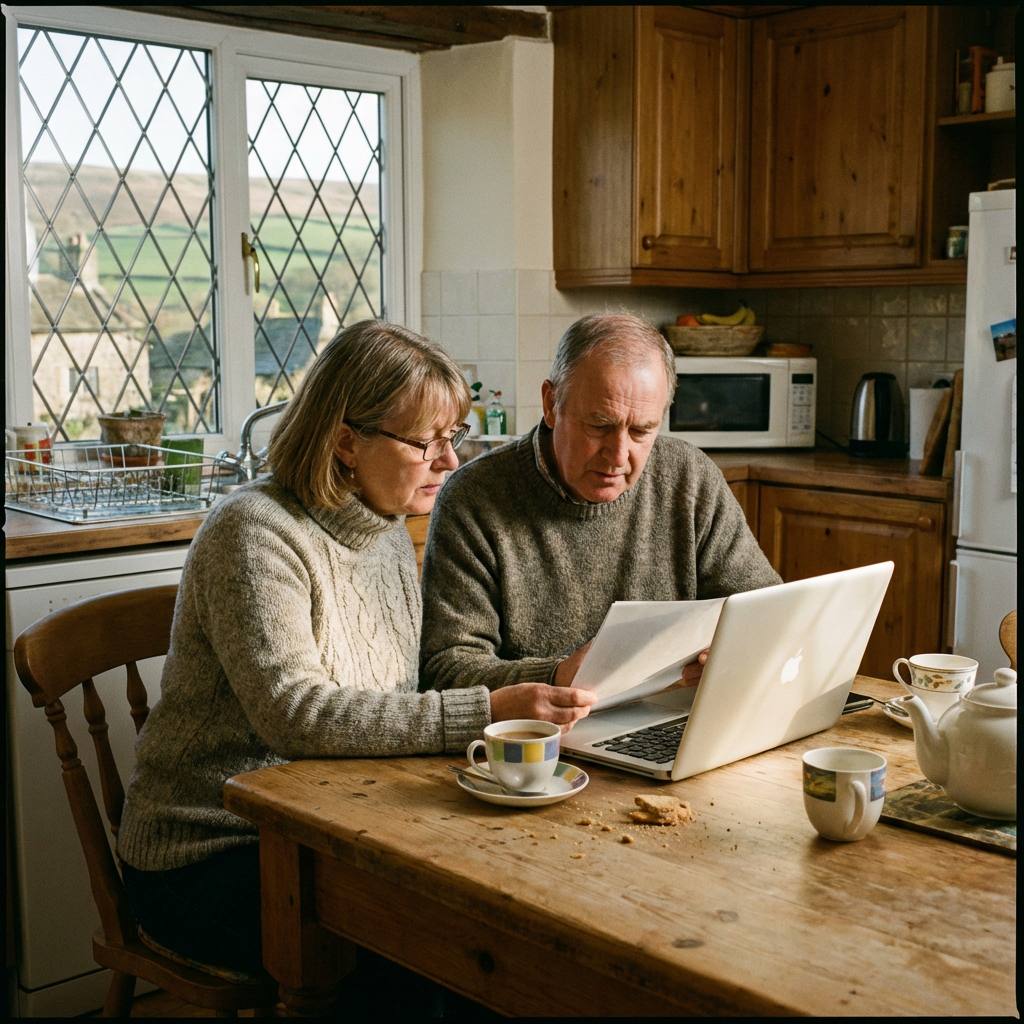
Second home insurance is inherently more expensive, but there are practical steps to keep costs manageable:
1. Install security systems
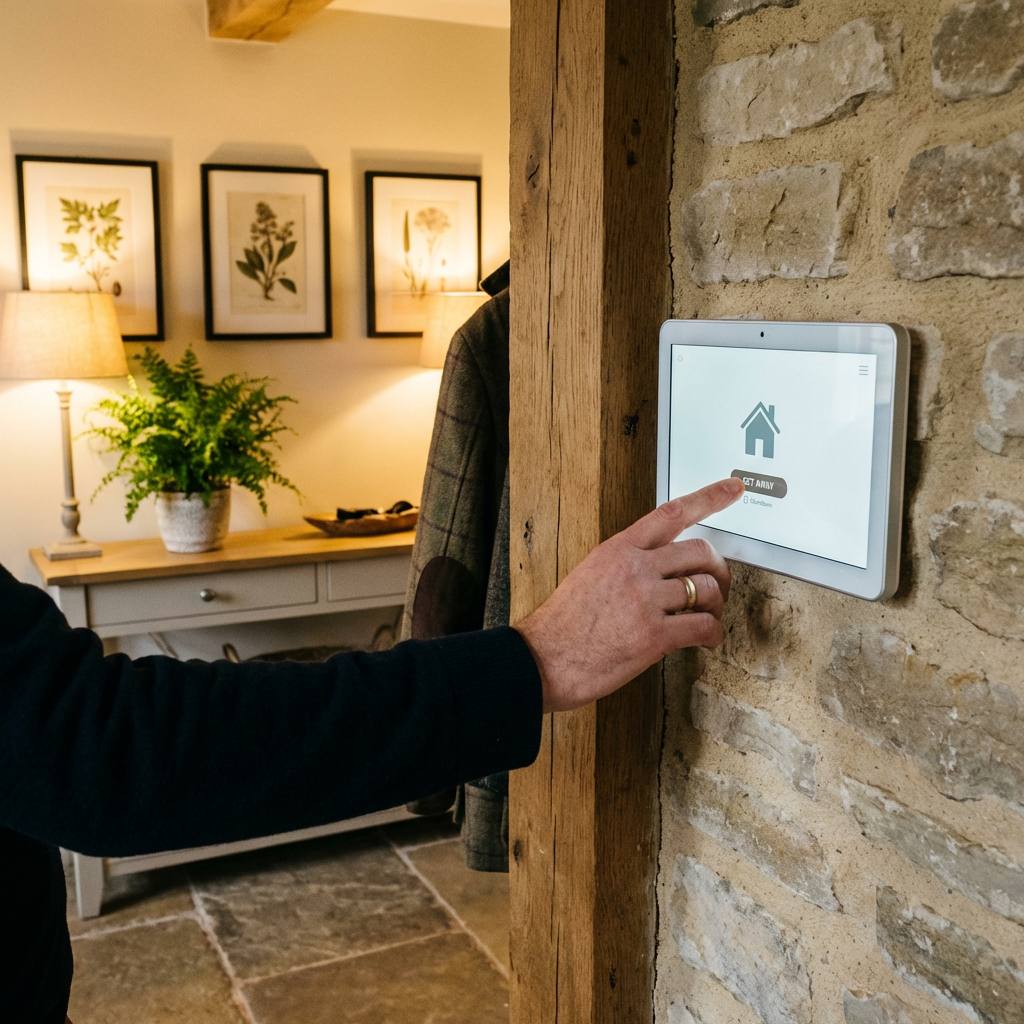
Alarms, smart locks, CCTV cameras, window locks, and security lighting can all qualify you for discounts. Some insurers require specific security measures for higher-value properties.
2. Install smart home sensors
Water leak detectors, temperature monitors, and smart smoke alarms can prevent small problems becoming major claims. Some insurers offer discounts for properties with smart monitoring.
3. Combine buildings and contents
Bundling both under a single policy is usually cheaper than buying them separately. The insurer offers a discount for the combined business.
4. Increase your voluntary excess
Raising the amount you'd pay towards a claim reduces your premium. But only set it at a level you can genuinely afford, a £1,000 excess isn't helpful if you'd struggle to pay it.
5. Pay annually
Monthly instalments typically add 15–30% in interest charges. If you can afford the lump sum, annual payment saves real money.
6. Compare widely: including specialists
Don't just check mainstream insurers. Specialist second home and holiday let insurers often offer more competitive rates for properties with unusual risk profiles. Use a home insurance comparison tool to see quotes side by side.
7. Consider multi-property policies
If you own more than two properties, some insurers offer portfolio or multi-property policies with discounted rates for insuring everything under one arrangement.
8. Maintain the property well
Properties in good condition with up-to-date wiring, plumbing, and roofing are cheaper to insure. Regular maintenance reduces the risk of claims, and insurers know it.
Compare quotes from specialist and mainstream insurers to find competitive second home cover. Get home insurance quotes here.
How to Compare Second Home Insurance Quotes
Comparing quotes ensures you get the right cover, not just the cheapest price. Here's how to approach it:
Step by step
- Gather your details: property type, construction, rebuild value, contents value, security features, occupancy pattern, any letting use
- Use a comparison service: compare home insurance quotes from multiple providers in one place
- Select relevant options: make sure you're quoting for second home use, not primary residence cover
- Compare like for like: check cover levels, excess amounts, unoccupancy limits, and what's included as standard vs optional extras
- Read the policy wording: particularly unoccupancy clauses, exclusions, and claims conditions
What to watch for
- High excess amounts: a cheap premium with a £1,000 excess may not be good value
- Short unoccupancy periods: 30 days is tight for a second home; look for 60–90+ days
- Exclusions for water damage: escape of water while unoccupied is one of the most common second home claims; make sure it's covered
- Letting restrictions: if you plan to let the property, check that the policy covers this (or can be upgraded to include it)
- Claims history impact: previous claims on any property can affect your quotes; be upfront about claims history for accurate pricing
Always choose insurers regulated by the Financial Conduct Authority (FCA): you can verify any provider on the FCA Register.
Ready to find the right cover for your second home? Compare home insurance quotes from a panel of UK providers.
Frequently Asked Questions
Is second home insurance mandatory in the UK?
There's no legal requirement to insure a second home. However, if you have a mortgage, your lender will almost certainly require buildings insurance as a condition of the loan. Even without a mortgage, insuring a property worth hundreds of thousands of pounds is strongly advisable, a single flood, fire, or subsidence event could cause devastating financial loss.
Can I use standard home insurance for a second property?
In almost all cases, no. Standard home insurance is designed for a property you live in full-time. If the property is empty for more than 30 days, used for holiday letting, or not your primary residence, a standard policy is unlikely to cover it, and claims may be rejected. You need a specific second home policy.
What happens if my second home is empty for more than 60 days?
It depends on your policy. Most second home policies have an unoccupancy clause that limits cover after 30–90 consecutive days of emptiness. If you exceed this limit and make a claim, the insurer can reduce the payout or reject it entirely. Contact your insurer if you expect to be away longer than the limit, some offer extended cover for an additional premium. For long-term empty properties, consider unoccupied property insurance.
Does second home insurance cover burst pipes?
Yes, escape of water (including burst pipes) is one of the most common claims on second home policies. However, many policies include conditions: you may need to maintain the heating at a minimum temperature during winter, or drain the water system if the property will be empty. Failing to meet these conditions can invalidate the claim.
Do I need different insurance if I let my second home on Airbnb?
Yes. Standard second home insurance typically doesn't cover guest-related incidents. If you let the property to paying guests, you need holiday let insurance (or a dual-use policy) that covers accidental damage by guests, public liability, and potentially loss of rental income. See our holiday home insurance guide for more details.
How much does second home insurance cost?
Expect to pay £300–£800 per year for combined buildings and contents cover, though this varies significantly by property type, location, value, and use. Coastal properties, listed buildings, and holiday lets can cost considerably more. The best approach is to compare quotes from multiple providers.
Can I insure my second home and primary home with the same insurer?
Yes, and it's often worth doing so. Some insurers offer multi-property discounts for covering both homes under one provider. However, always compare this against separate policies, the bundled deal isn't automatically the cheapest option.
Sources & References
- Home insurance – Association of British Insurers (ABI): industry guidance on choosing home insurance, including second properties and holiday lets
- Flood Re: the UK scheme that helps make flood insurance more affordable for residential properties (note: Flood Re typically covers primary residences, not second homes, check eligibility)
- FCA Register: verify that your insurer is authorised and regulated by the Financial Conduct Authority
- GOV.UK – Property and land: government information on property ownership, council tax for second homes, and related obligations